
Living in Florida means accepting that hurricanes are part of life. From June through November, the Atlantic hurricane season brings the potential for devastating storms that can cause billions of dollars in damage. For homeowners—especially those with seasonal properties or who travel frequently—proper hurricane preparation is essential to protecting your investment and ensuring peace of mind.
This comprehensive guide covers everything Florida homeowners need to know about hurricane preparation, from pre-season planning through post-storm recovery. Whether you're a full-time resident, a snowbird, or an absentee owner, these tips will help you protect your property when the next storm approaches.

Understanding Florida's Hurricane Season
Florida's hurricane season officially runs from June 1 through November 30, with the peak of activity occurring from mid-August through late October. During this six-month window, the warm Atlantic waters and Gulf of Mexico create ideal conditions for tropical storm development.
Hurricane Season Timeline
- June-July: Early season with typically lower activity—ideal time for preparation
- August-September: Peak season with highest probability of major hurricanes
- October: Still active; late-season storms can be strong and unpredictable
- November: Season winds down but storms remain possible until month's end
Pre-Season Preparation: Before Hurricane Season Begins
The best time to prepare for a hurricane is before the season starts. Waiting until a storm is in the forecast means competing with everyone else for supplies, contractors, and services. Here's what to do before June 1:
1. Review and Update Your Insurance
Your homeowner's insurance likely doesn't cover flood damage—you'll need a separate flood insurance policy. Review your coverage limits to ensure they reflect current replacement costs, and understand your deductibles. In Florida, many policies have separate hurricane or windstorm deductibles that are typically 2-5% of your home's insured value.
- Verify your flood insurance coverage and know your flood zone
- Document your belongings with photos and video for insurance claims
- Store insurance documents securely (consider cloud backup)
- Understand what your policy covers and your deductible amounts
2. Inspect and Upgrade Storm Protection
Your home's storm protection systems are your first line of defense. Before the season, ensure everything is in working order:
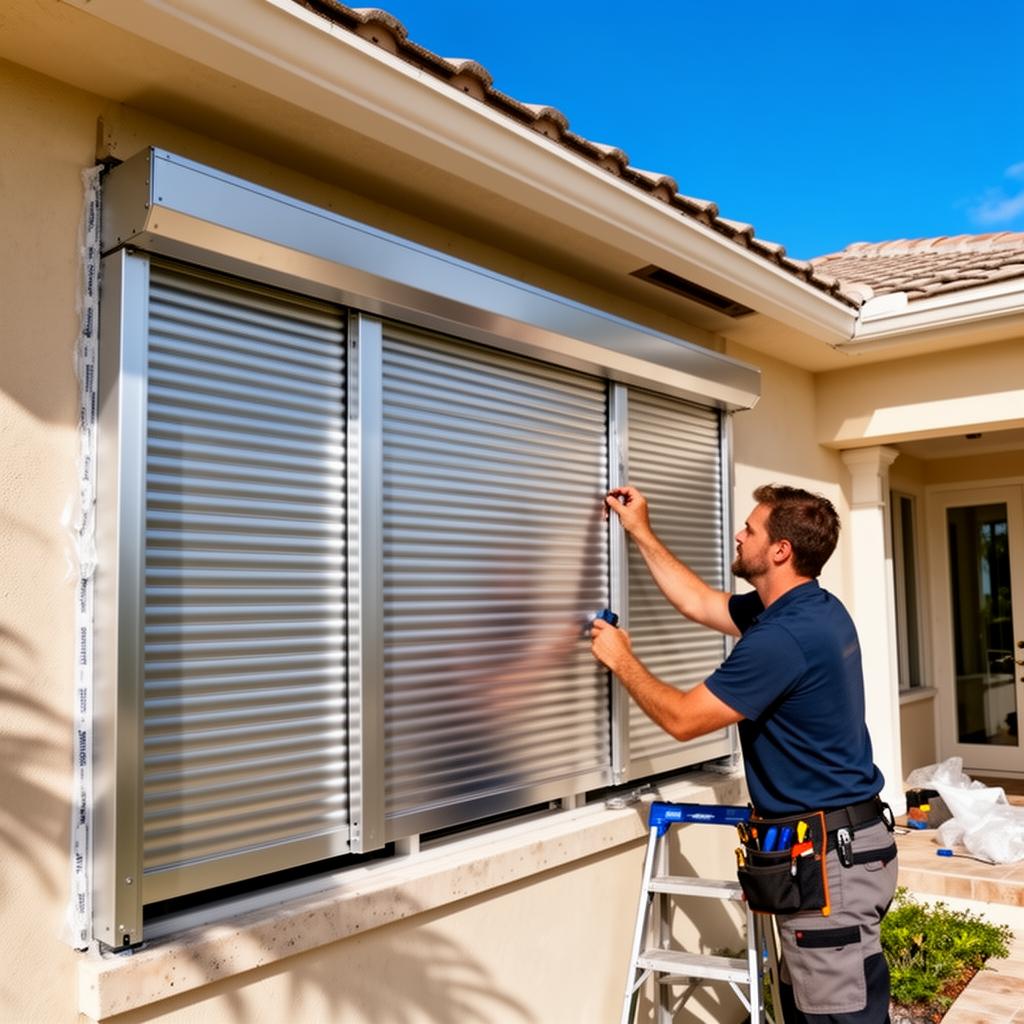
- Hurricane shutters: Test accordion shutters for smooth operation, inventory all panels, and verify you have all hardware
- Impact windows: Inspect seals and frames for any damage or deterioration
- Garage doors: These are a common failure point—consider hurricane-rated doors or bracing kits
- Roof: Have a professional inspect for loose shingles, damaged flashing, or weak points
- Trees: Trim branches that could become projectiles or fall on your home
3. Prepare Your Emergency Kit
Every Florida home should have a well-stocked emergency supply kit ready before the season begins. Don't wait until a storm is approaching—stores sell out quickly once a hurricane watch is issued.
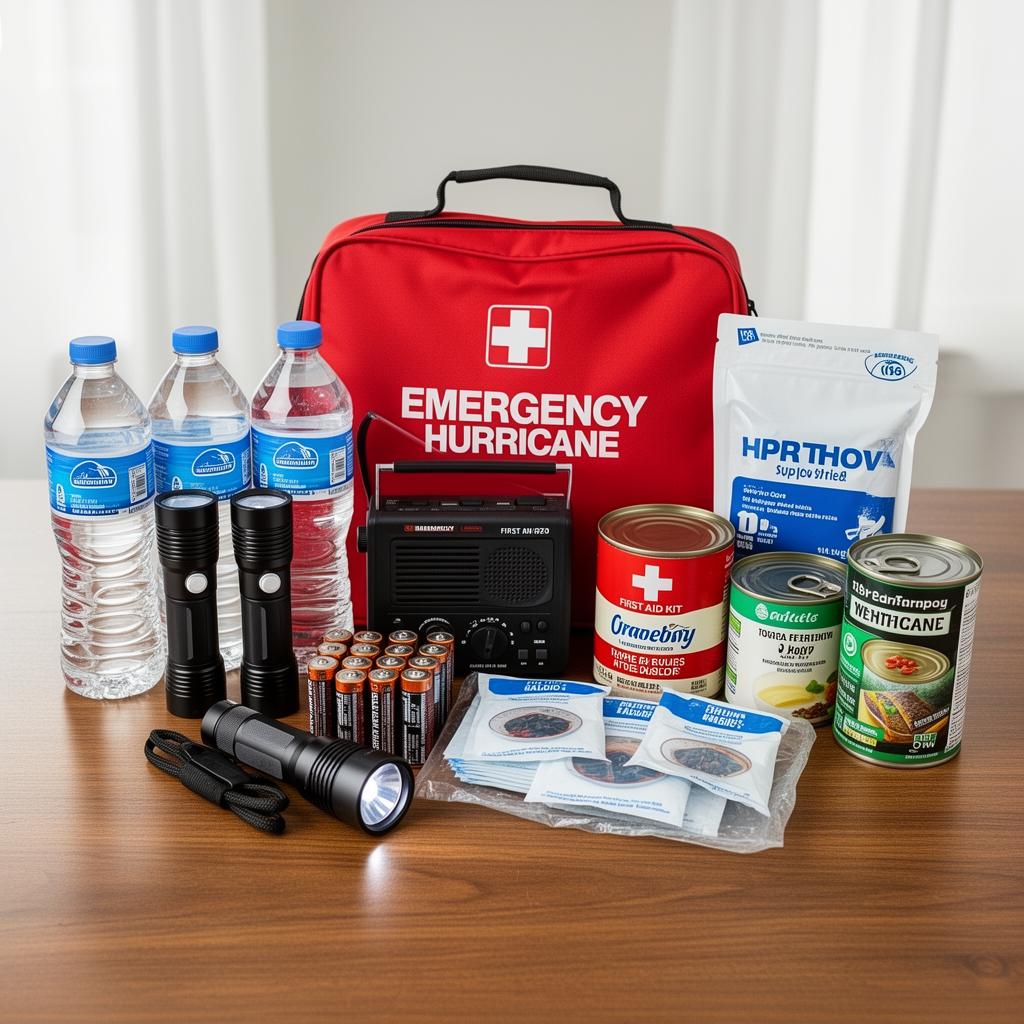
Essential Emergency Kit Contents
Water & Food
- • 1 gallon of water per person per day (3-day minimum)
- • Non-perishable food for 3+ days
- • Manual can opener
- • Pet food if applicable
Power & Light
- • Flashlights (multiple)
- • Extra batteries
- • Battery or hand-crank radio
- • Portable phone chargers
Safety & Health
- • First aid kit
- • Prescription medications (7-day supply)
- • Sanitation supplies
- • Masks and gloves
Documents & Cash
- • Cash in small denominations
- • Copies of important documents
- • Insurance policy information
- • Emergency contact list
When a Storm Is Approaching: 72-48 Hours Out
Once a storm enters the Gulf of Mexico or the Atlantic and your area is in the potential path, it's time to shift into active preparation mode. Here's your action plan:
Exterior Preparation
- Secure outdoor furniture: Store patio furniture, grills, potted plants, and decorative items in the garage or shed
- Clear the yard: Remove loose debris, branches, and anything that could become a projectile
- Pool preparation: Lower water level slightly, store pool equipment, and remove screens if possible
- Install storm protection: Put up hurricane shutters or panels on all windows and doors
- Vehicles: Fill gas tanks and consider moving vehicles to protected parking
Interior Preparation
- Electronics: Unplug non-essential electronics to prevent surge damage
- Refrigerator/freezer: Set to coldest settings; freeze water bottles for later cooling
- Valuables: Move important items away from windows; place on high surfaces in case of flooding
- Documentation: Take photos and video of your home's interior for insurance purposes
- Interior doors: Close all interior doors to compartmentalize potential damage
Utility Preparation
- Know the location of your main water shutoff valve
- Know how to turn off your gas supply if applicable
- Set your water heater to vacation mode
- Test your generator and ensure you have adequate fuel
- Charge all batteries and portable devices
For Seasonal Residents and Absentee Owners
If you're not in Florida during hurricane season, preparing your property presents unique challenges. Here's what out-of-state owners need to consider:
Professional Home Watch Is Essential
Absentee owners need someone on the ground who can prepare their property when a storm threatens and assess damage afterward. Professional home watch services provide:
- Pre-storm property securing and shutter installation
- Comprehensive pre-storm photo and video documentation
- Post-storm damage assessment as soon as conditions are safe
- Insurance documentation and contractor coordination
- Regular communication so you know your property's status
After the Storm: Recovery and Assessment
Once the storm passes, resist the urge to rush back to your property. Wait for official all-clear announcements and be aware of hazards like downed power lines, flooding, and debris.
Initial Assessment
- Document everything: Before touching anything, photograph and video all damage for insurance claims
- Check utilities: Look for gas leaks, electrical damage, and water line breaks
- Structural inspection: Look for signs of structural damage before entering
- Water intrusion: Address water damage immediately to prevent mold growth
Filing Insurance Claims
- Contact your insurance company as soon as possible
- Provide thorough documentation including photos, videos, and written descriptions
- Keep all receipts for emergency repairs and temporary housing
- Consider hiring a public adjuster for significant claims
The Value of Professional Help
Hurricane preparation is time-sensitive and physically demanding. For seasonal residents, snowbirds, and anyone who can't be present when a storm threatens, professional home watch services provide invaluable support. Having trained professionals who know your property and can act quickly on your behalf is the best way to protect your investment when you can't be there yourself.
Need Help Preparing Your Florida Home?
Oceanside Home Watch provides comprehensive hurricane preparation services for Vero Beach and Treasure Coast homeowners. From pre-storm securing to post-storm assessment, we're here to protect your property.